Culture and Customs
Despite these differences, Surinamese people often find unity in their diversity. Shared spaces like markets, schools, and workplaces, as well as national celebrations, offer opportunities to learn from one another and celebrate cultural pride together.
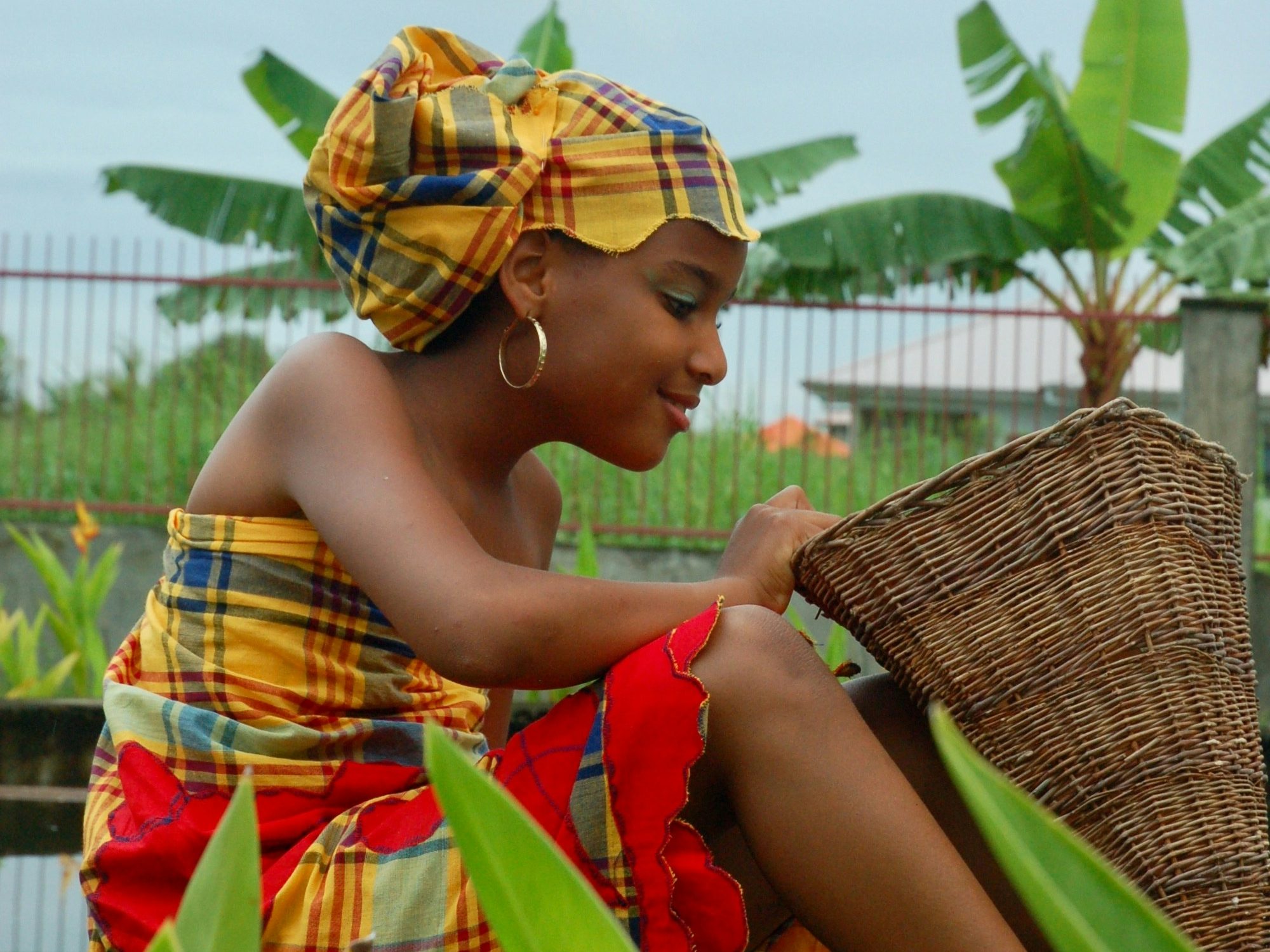
Suriname is one of the most culturally diverse countries in the world. Its population is made up of many ethnic groups, including Hindustani (East Indian), Creole, Javanese, Maroon, Indigenous peoples, Chinese, and those of European and mixed heritage. Each group brings its own rich set of customs, rituals, and values that influence daily life, social occasions, and national celebrations.
Life Milestones Across Cultures
Rites of passage play an important role in the social and spiritual lives of Surinamese communities. Let’s explore how different ethnic groups mark major life events such as birth, coming of age, marriage, and funerals.
Birth and Naming Ceremonies
| Ethnic Group | Birth Rituals | Naming Practices | Community Involvement | Unique Traditions |
|---|---|---|---|---|
| Hindustani | Prayers and blessings for mother and baby | Naming during a Hindu puja | Family and priest play key roles | Astrology-based name selection |
| Creole | Christian baptism or baby blessing | Often named after family members | Godparents involved | Singing and storytelling around baby |
| Javanese | Islamic prayers (aqiqah), hair-cutting ceremony | Arabic or Javanese names | Community feast | Offering alms, distributing sweet rice |
| Maroon | Birth considered a spiritual event | Names carry ancestral/spiritual meaning | Matrilineal elders name child | Protective rituals, herbal baths |
| Indigenous | Close connection to nature at birth | Naming based on traits or natural elements | Clan or village elders | Whispering name to child’s spirit |
| Chinese | One-month celebration (Man Yue) | Chinese names often with meaning | Extended family gathers | Red eggs and ginger served |
Coming of Age Traditions
| Ethnic Group | Age Marker | Cultural Ritual | Family/Community Role | Symbolic Elements |
| Hindustani | Puberty | Special puja or cultural talk | Elders guide youth | Jewelry, saris for girls |
| Creole | 16 or 18 | Birthday parties or church blessings | Mentorship from godparents | Singing, dancing, speeches |
| Javanese | Often low-key | Moral/religious teachings | Family-led reflection | Simple gifts or religious guidance |
| Maroon | Menarche (girls), hunting age (boys) | Secret rituals, cultural training | Elders, especially women, guide girls | Instruction in cultural roles |
| Indigenous | Puberty | Spiritual guidance by shamans | Entire community involved | Sacred dances, ceremonies |
| Chinese | 18 or 20 | Recognition within family | Celebration dinner | Red decorations for luck |
Marriage Customs
| Ethnic Group | Wedding Attire | Ceremony Features | Family Roles | Unique Traditions |
| Hindustani | Colorful saris & sherwanis | Hindu rituals like saat phere (7 steps) | Strong parental involvement | Mehndi night, coconut breaking |
| Creole | Western-style dresses, African headwraps | Christian church ceremony | Community involvement | Music & dance (kawina, kaseko) |
| Javanese | Traditional kebaya & batik | Muslim or Christian rituals depending on faith | Elders offer blessings | Rice-throwing, community cooking |
| Maroon | Traditional pangi & head ties | Spiritual elements, often outside | Matrilineal family input | Drum-led celebrations, herbal rituals |
| Indigenous | Simple, earth-toned attire | Community-based ceremonies | Elders play central role | Ritual dances, blessings from nature |
| Chinese | Red attire symbolizing luck | Tea ceremony, banquet | Respect for elders is key | Firecrackers, lion dance (rare now) |
Funeral Customs
| Ethnic Group | Mourning Period | Funeral Rituals | Community Support | Symbolic Practices |
| Hindustani | 13 days | Hindu cremation, rituals for soul | Community gatherings, food offerings | Lighting of ceremonial fire |
| Creole | 8 days (dede oso) | Wake with singing and storytelling | Strong community turnout | Offering of food, white clothing |
| Javanese | 3-7 days | Islamic funeral rites | Neighbors help with food and prayers | Quran recitations |
| Maroon | Several weeks | Multiple ceremonies over time | Entire village participates | Ancestral offerings, drumming |
| Indigenous | Varies | Burial in sacred ground | Spiritual leaders guide process | Tree planting, nature rites |
| Chinese | 7 days to 49 days | Buddhist or Taoist rites, incense burning | Family-led rituals | Paper money and goods burned for afterlife |
Unity in Diversity
What makes Suriname truly special is not just its diversity but the way it embraces it. Holidays are often enjoyed by all, regardless of background. Children grow up tasting each other’s foods, attending each other’s celebrations, and speaking multiple languages.
This peaceful coexistence is celebrated in the shared Surinamese identity, a bond that says: we may come from different roots, but we grow together. It’s this spirit that defines Suriname’s national motto: “Justitia, Pietas, Fides” (Justice, Piety, Loyalty).
The customs may differ, but the value, respect, family, faith, and community, are universal.
Official Public Holidays in Suriname
| Date | Holiday Name | Description |
|---|---|---|
| January 1 | New Year’s Day | National holiday |
| Jan / February | Chinese New Year | Lunar calendar |
| February 25 | Day of Liberation and Innovation | Revolution Day |
| Feb / March | Holi Phagwa | Hindu festival of colors |
| March / April | Good Friday | Christian observance |
| March / April | Easter (2 days) | Sunday & Monday |
| May 1 | Labour Day | International Workers’ Day |
| Varies | Eid al-Fitr | End of Ramadan (Muslim) |
| July 1 | Keti Koti | Emancipation Day |
| August 9 | Day of the Indigenous People | Native community recognition |
| Varies | Eid al-Adha | Muslim Feast of Sacrifice |
| Oct / Nov | Divali | Hindu Festival of Lights |
| October 10 | Day of the Maroons | Maroon freedom celebration |
| November 25 | Srefidensi (Independence Day) | 1975 independence from the Netherlands |
| December 25–26 | Christmas (two days) | Christian celebration |
Cultural and Ethnic Observance Days
(Non- National Holidays)
| Date | Observance | Community / Group | Description |
|---|---|---|---|
| 3rd Sunday of January | World Religion Day | Interfaith | Promotes unity among faiths |
| February | Vasant Panchami | Hindustani (Hindu) | Marks spring and honors Saraswati |
| March (all month) | Ramadan begins | Muslim | Fasting and spiritual reflection |
| April 14 | Pan American Day | National/Regional | Unity among American nations |
| May 11 | Mother’s Day | General | Honoring mothers |
| June 5 | Prawas Din (Immigration Day) | Hindustani | Arrival of Indian workers in 1873 |
| June 15 | Father’s Day | General | Honoring fathers |
| July 1 | National Commemoration of Slavery | Afro-Surinamese | Formal remembrance alongside Keti Koti |
| October 20 | Chinese Immigration Day | Chinese | Arrival of first Chinese in 1853 |
 Sabi Suri Sani