
Decolonization and Independence
On 25 November 2025, Suriname proudly celebrates 50 years of independence from Dutch colonial rule. This golden jubilee is more than a milestone, it is a moment of reflection, pride, and vision for the future. The journey to self-rule was complex, shaped by centuries of resistance, migration, negotiation, and hope.
In this section, we commemorate Suriname’s transition from colony to republic, and honor the resilience of its people in shaping a sovereign nation rooted in diversity, strength, and cultural richness.
50 Years of Suriname’s Sovereignty
1. From Colony to Nation: A Brief Recap
Suriname’s road to independence is deeply tied to its colonial legacy, which is explored in greater detail in our sections on Slavery and Colonization and A Brief History of Suriname. Centuries of European control, forced labor, and economic exploitation left lasting imprints. Yet, even within oppression, seeds of resistance and nationhood began to grow.
By the mid-20th century, Surinamese society was blossoming with political consciousness and cultural self-awareness. The legacy of the Maroon resistance, the endurance of Afro-Surinamese and Indigenous communities, and the shared experiences of Indo-Surinamese, Javanese, Chinese, and other groups all contributed to a unique Surinamese identity.
2. The Path to Independence (1954–1975)
Autonomy Within the Kingdom
In 1954, Suriname became a constituent country within the Kingdom of the Netherlands. This status granted internal autonomy but kept the Netherlands in charge of foreign affairs, defense, and final legislative authority.
Nationalism and Political Leaders
The decades that followed saw increasing momentum for full independence. Surinamese political leaders, such as Henck Arron and Jagernath Lachmon, spearheaded movements advocating for sovereignty, self-governance, and economic control. Their efforts reflected broader global decolonization waves sweeping Africa, the Caribbean, and Asia.
Migration and Mixed Feelings
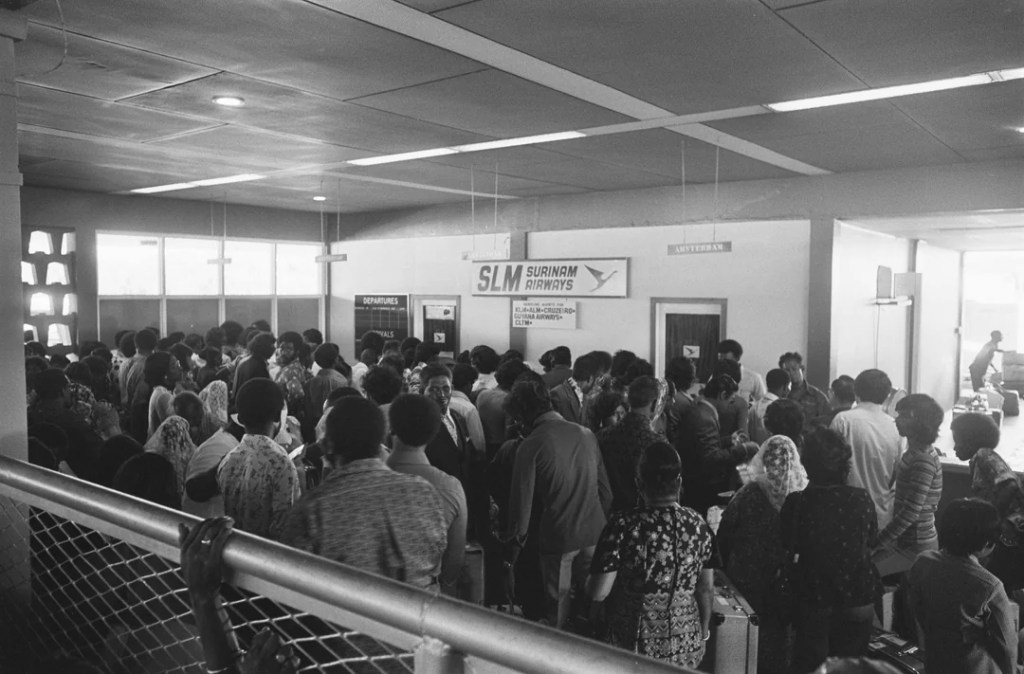
Leading up to independence, over 100,000 Surinamese migrated to the Netherlands. Many feared economic instability and political uncertainty in a newly independent nation. This mass migration would come to shape the vibrant Surinamese diaspora in Dutch cities such as Amsterdam, Rotterdam, and The Hague.
3. November 25, 1975: A Nation is Born



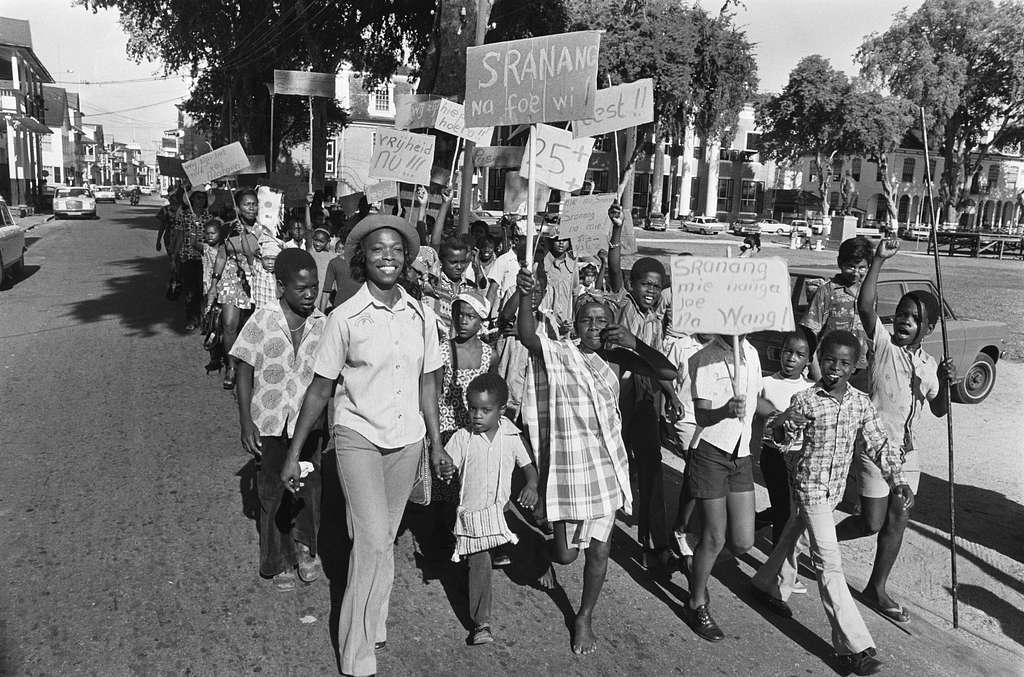
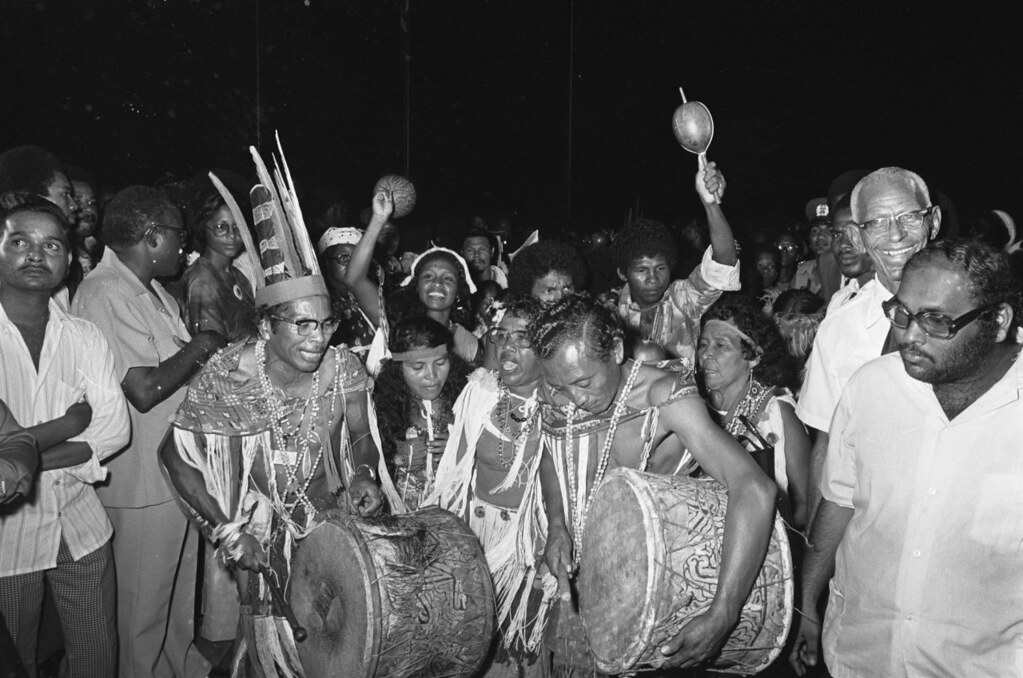
The Historic Moment
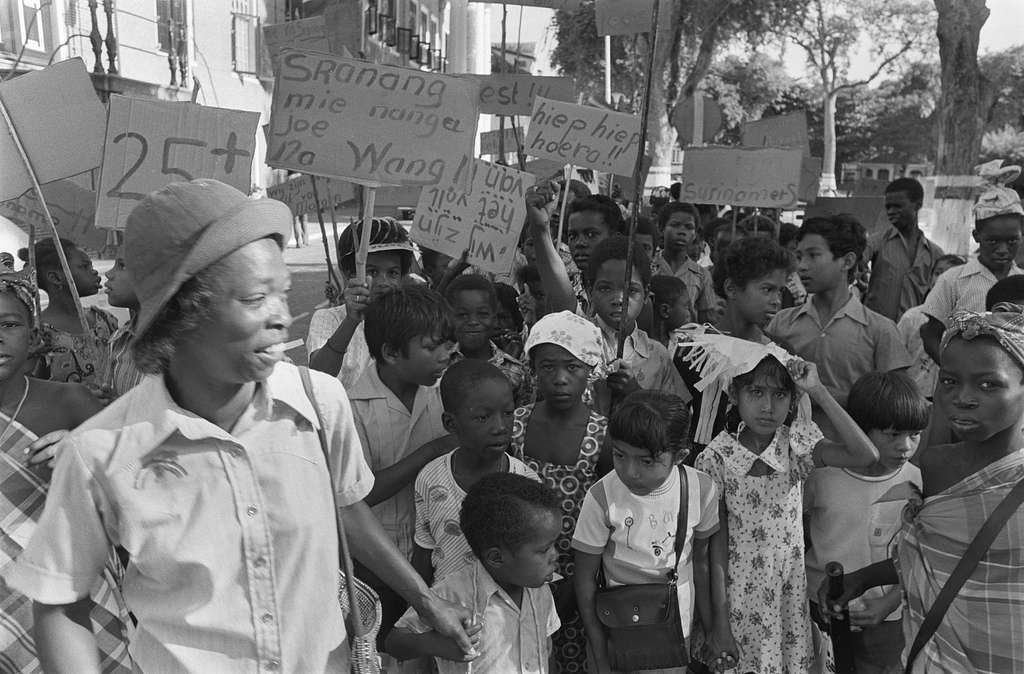
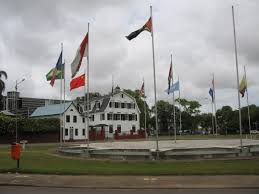
On 25 November 1975, Suriname officially declared independence in a ceremony held in Paramaribo. The Dutch flag was lowered, and the red-green-and-white Surinamese flag was raised. Johan Ferrier was sworn in as the country’s first President, and Henck Arron became Prime Minister.
Celebrations and Symbolism
The streets of Paramaribo were filled with emotion: fireworks, traditional music, ceremonial dress, and mixed tears of pride and uncertainty. Suriname was now charting its own course, a new nation born of resilience.
“We are now the owners of our destiny. Let us shape it with dignity and unity.”
– Johan Ferrier, 1975
4. After Independence: Hopes and Hardships
1980 Coup and Political Unrest
In 1980, a military coup led by Desi Bouterse and a group of sergeants disrupted democratic governance. This ushered in a period of military rule, censorship, and civil unrest. The most tragic event, the December Murders of 1982, saw the execution of 15 prominent critics of the regime.
Return to Democracy
By 1991, civilian rule was restored, and democratic institutions began to rebuild. Suriname faced economic hardship, but also growing regional partnerships and a renewed commitment to justice and development.
5. Suriname at 50: Where Are We Now?
Today, Suriname stands as a multicultural democracy with a powerful global diaspora. Its natural resources, rich culture, and multiethnic population offer both opportunities and challenges. Efforts continue to address poverty, corruption, and environmental concerns, while voices for Indigenous and Maroon rights, gender equality, and youth empowerment grow stronger.
“Independence is not a destination, but a journey of continuous nation-building.”
– Anonymous
6. 50 Years Commemoration: Celebrating the Golden Jubilee
This year, Suriname and its global communities celebrate with pride:
- Cultural festivals in Paramaribo and diaspora cities
- Public exhibits of historical photos, documents, and testimonies
- School projects and essay competitions on independence themes
- Special broadcasts and interviews with 1975 eyewitnesses
7. Looking Ahead: The Next 50 Years
As we mark this powerful milestone, we look forward with hope:
- A more just, sustainable, and inclusive economy
- Stronger educational and healthcare systems
- Continued cultural celebration and unity across ethnic lines
Suriname’s journey has never been linear, but its spirit remains unbreakable. From colonized land to independent nation, from pain to pride, Suriname continues to rise.
 Sabi Suri Sani